Sun Garden Megane Bridge: A Spacious 9th-Floor Apartment in Historic Nagasaki
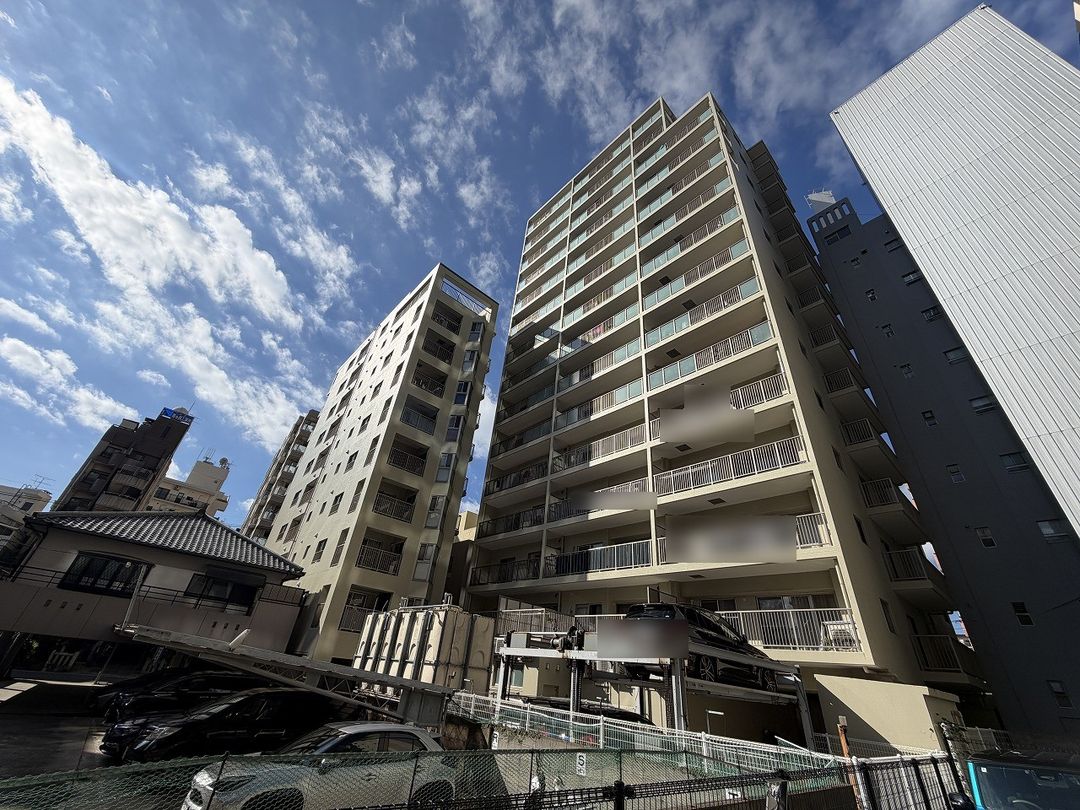
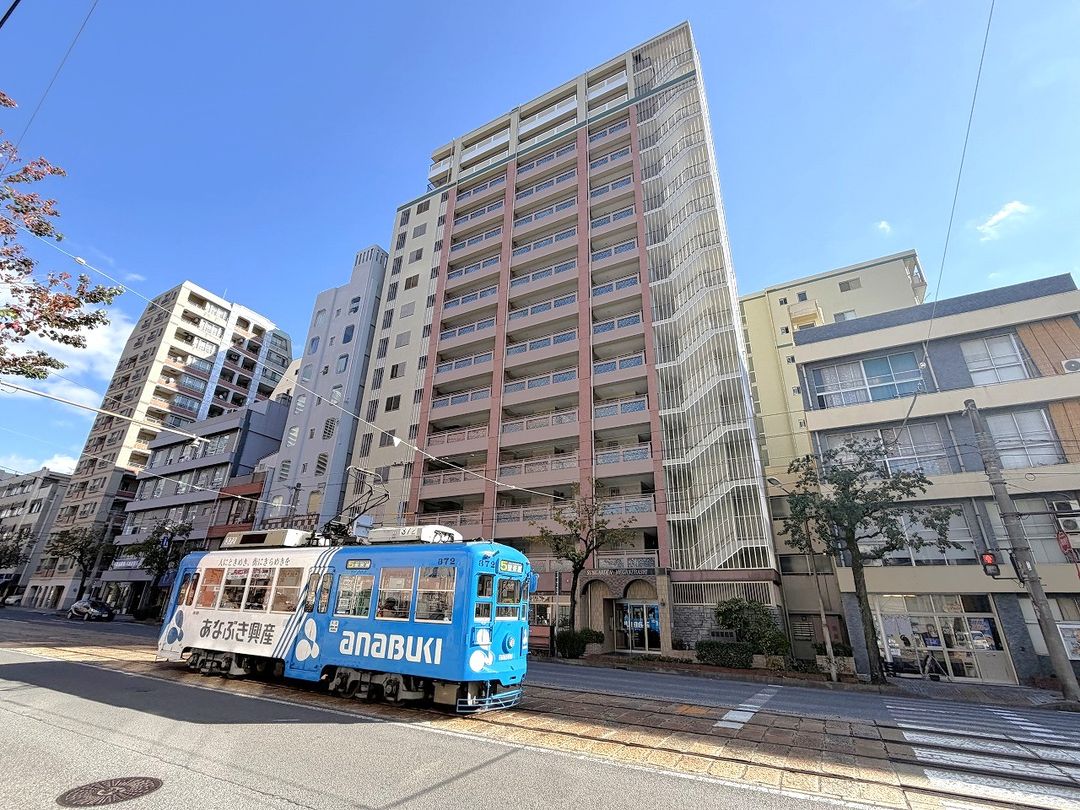
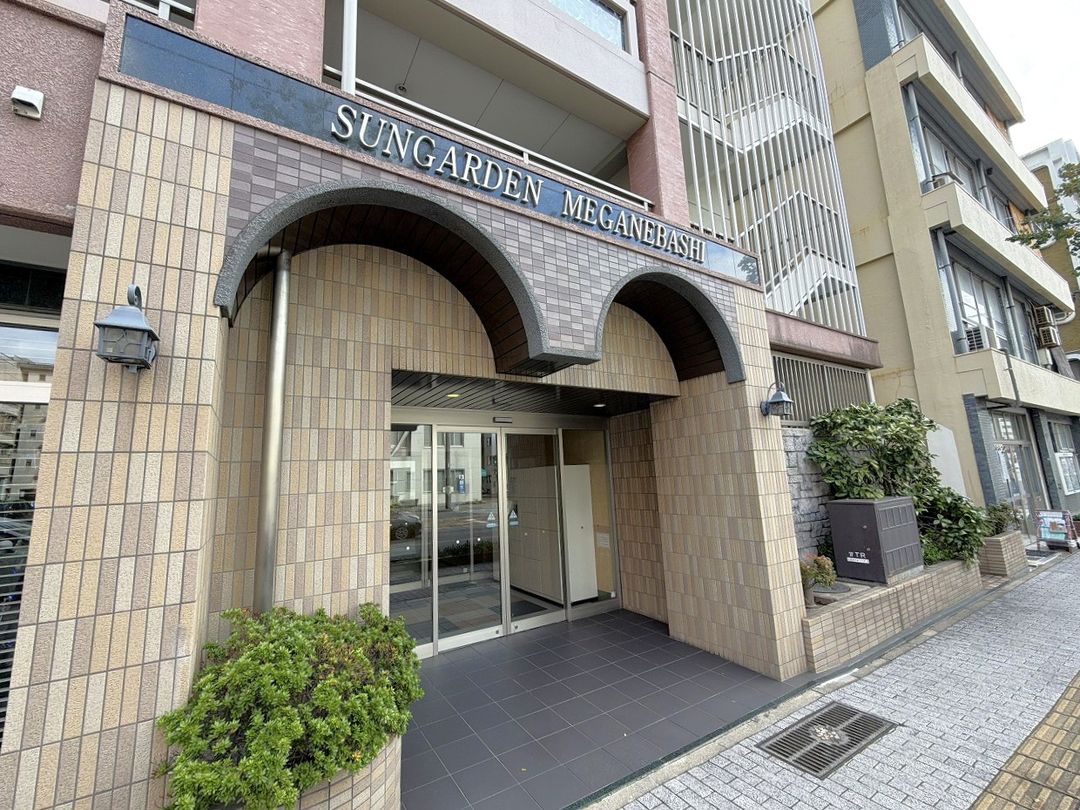
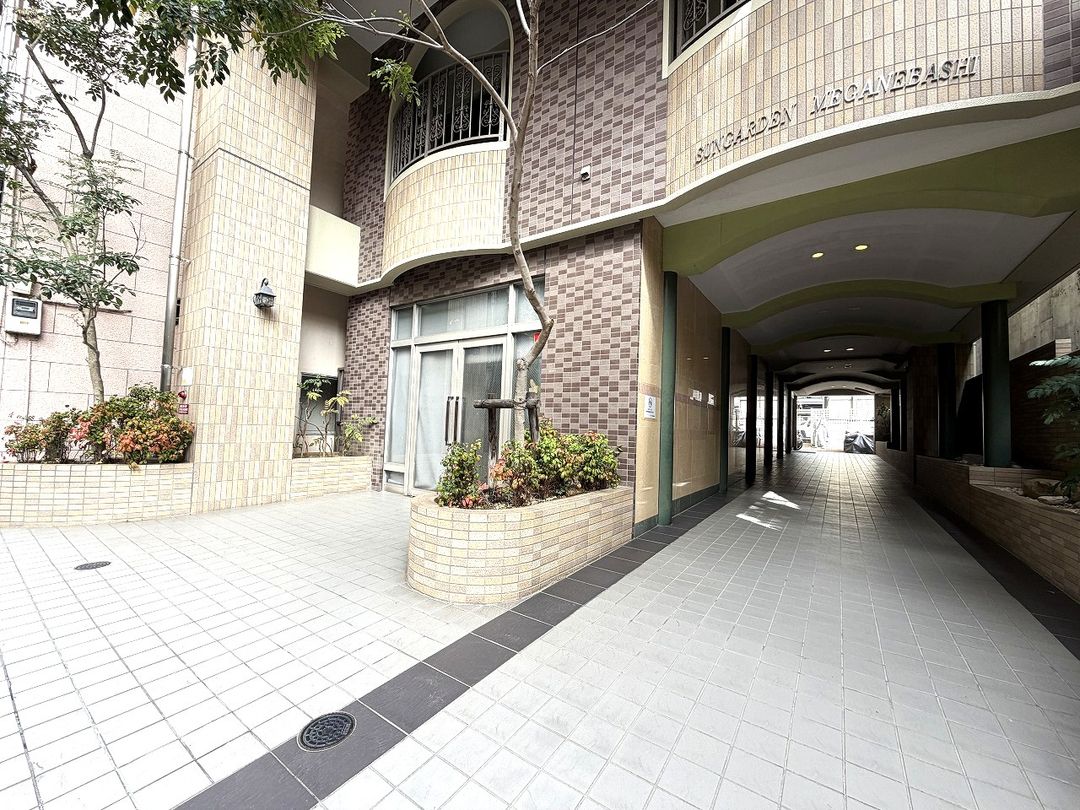
This well-maintained 3LDK apartment, located on the 9th floor of the 15-story Sun Garden Megane Bridge building, offers a generous 89.37 sqm of living space complemented by a 22.63 sqm southeast-facing balcony. Built in April 2006, the property features a solid SRC (steel-framed reinforced concrete) construction and is situated in a commercial zone. The unit is currently occupied, and viewings can be arranged by appointment. The building is equipped with an elevator, auto-lock security, security cameras, a TV monitor intercom, and parcel lockers. Interior amenities include a system kitchen with a counter and dishwasher, a bathroom with a reheating function and dryer, a shower-equipped vanity, a washlet toilet, a walk-in closet, storage in all rooms, and a shoe-in closet. The apartment is all-electric and is compatible with CS and BS satellite broadcasting.
According to the agent's notes, the construction company was Kurihara Construction Co., Ltd. A crucial note states that the view from the property is not permanently guaranteed. The remarks also provide detailed lifestyle information: Japan's oldest stone arch bridge, "Megane Bridge," is just a 2-minute walk (120m) away. Bernard Tourist Street is a 5-minute walk (350m), Marutaka Fresh House Tourist Street store is a 6-minute walk (440m), a 7-Eleven is a 3-minute walk (220m), Nagasaki City Suwa Elementary School is a 4-minute walk (270m), Nagasaki City Sakurababa Junior High School is a 19-minute walk (1500m), and Nagasaki City Hall is a 4-minute walk (250m).
The apartment's location in Nagasaki's Uonokamachi district is exceptionally convenient for both daily life and exploration. The area is steeped in history, being part of Nagasaki's famous foreign settlement. A fascinating local fact is that the nearby Megane Bridge, built in 1634, is so named because its two arches and their reflection in the water resemble a pair of spectacles (megane). The property is also within easy walking distance of Dejima, the artificial island that was Japan's sole window to the outside world during the Edo period's isolationist policy, making it a uniquely historic neighborhood.